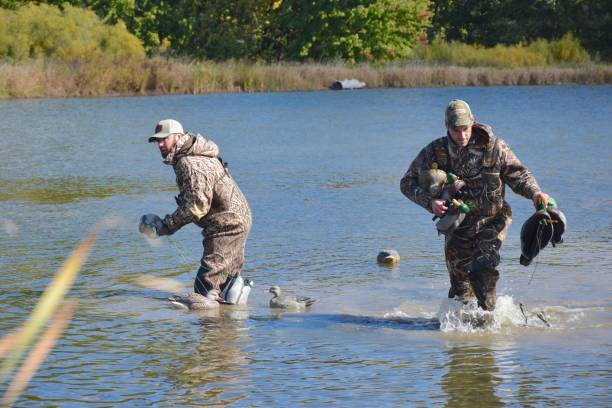
Every season, someone loads a truck with gear, drives four hours, and finds nothing but empty sky. It happens more than most hunters admit. Planning duck hunting trips well is the difference between a story worth telling and a wasted weekend.
Start With the Right Region and Timing
Duck hunting trips live and die on timing. Birds move down the flyways as weather pushes them south, and hunting the same spot in early November versus late December can feel like two completely different sports. Resident birds tend to dominate early season hunts, while a hard freeze up north usually triggers the bigger pushes hunters chase later in the year.
Before locking in dates, check migration reports for your target region. State wildlife agencies and waterfowl associations post weekly updates during season, and they are far more reliable than a random forum post from three years ago.
Pick Your Water Wisely
Public land, private leases, and guided access all come with tradeoffs. Public marshes are free but crowded, especially on weekends. Private leases offer more control but require either owning land or knowing someone who does. Guided access solves both problems at once, since you get water that has already been scouted without the cost of leasing it yourself.
For hunters new to a region, guided duck hunting trips remove almost all the guesswork. You are not driving blind into an area you have never scouted, hoping a random slough holds birds.
Gear That Actually Matters
Skip the gear rabbit hole for a minute and focus on what genuinely changes outcomes:
- A call that matches the species you are targeting, since mallard calls and specklebelly calls sound nothing alike.
- Layered clothing built for standing still in cold, wet conditions for hours at a time.
- Decoys appropriate for the water type, since floating decoys and full body field decoys serve completely different setups.
- A reliable shotgun choke matched to your typical shot distance, not just whatever came in the box.
Notice waders are not on that list by accident. They matter, obviously, but they will not save a bad setup the way the right call or decoy spread will.
Building the Actual Trip Itinerary
A solid multi day trip usually blocks mornings for hunting and leaves afternoons open for scouting the next spot, resting, or handling logistics like cleaning birds and prepping gear for the following day. Trying to hunt hard every single session for four straight days tends to backfire. Tired hunters make sloppy calls, both literally and figuratively.
Weather buffer days matter too. High wind, dense fog, or a warm front can shut down a hunt entirely. Building in one flexible day for a multi day trip saves the whole experience from a single bad forecast.
Budgeting Realistically
Costs vary wildly depending on region, group size, and whether you go DIY or guided. DIY trips save money upfront but cost more in time, wasted scouting, and gear you may only use once. Guided duck hunting trips bundle most costs into a single price, which makes budgeting far more predictable, especially for group trips split multiple ways.
Groups planning a trip together through an outfit like duck hunting trips with Cupped Wings often find the per person cost comes out close to, or even below, what a DIY trip would run once gas, lodging, and gear are all factored in.
Safety Should Never Be an Afterthought
Cold water, low visibility, and early morning boat travel create real risk. A life vest is not optional, no matter how experienced you are. Guides trained on specific water know the hazards, from submerged stumps to sudden current changes, that a first time visitor simply cannot know yet.
Frequently Asked Questions
Q: When is the best time to plan duck hunting trips?
A: Timing depends on your region, but most hunters find late season, after a hard freeze pushes birds south, offers the biggest numbers.
Q: Is guided or DIY better for a first trip to a new region?
A: Guided almost always makes more sense for unfamiliar water, since local scouting knowledge is hard to replace on a short trip.
Q: How many days should a first multi day trip include?
A: Three days is a solid starting point, giving enough buffer for at least one weather cancellation.
The hunters who consistently come home with full straps are not the ones with the most expensive gear. They are the ones who planned the trip around the birds, the weather, and the water, instead of just showing up and hoping for the best.